Category Archives: Blog

Real-life classroom experiences, special education support, and practical tips for paraprofessionals growing into teachers. This blog shares honest insight, helpful strategies, and everyday moments from working in a special education classroom.

Why Paraprofessionals Burn Out (The Honest Truth No One Talks About)

Before I became a paraprofessional, no one sat me down and said this out loud:

This job will take more out of you than you expect.

Not in a dramatic way at first.
Not in a “I can’t do this” kind of way.

But in a quiet, steady way… where one day you realize you’re just really tired.

And not just physically.

Mentally. Emotionally. Even spiritually sometimes.


I’ve been a paraprofessional for 4 years in a public elementary school, working in a self-contained autism classroom. I’ve worked across grade levels, and I’m currently with 3rd grade.

And while I expected the job to be busy… I didn’t fully understand how much of myself I would be giving every single day.

Because working in a special education classroom isn’t just about helping.

It’s about being constantly aware.

You’re watching for triggers.
You’re adjusting in real time.
You’re trying to stay one step ahead of behaviors that can shift quickly.

Even when everything looks calm on the outside, your mind is still working.


There are moments during the day where everything changes in seconds.

A student becomes overwhelmed.
A behavior escalates.
The room shifts.

And in that moment, you don’t really get time to think.

You just respond.

You stay calm—or at least try to.
You redirect.
You support.
You keep everyone safe.

And then a few minutes later, it’s over.

The classroom resets.

But your body doesn’t reset as quickly.

You’re still holding that tension, even if no one else sees it.


And that’s the part people don’t always understand about being a paraprofessional.

They don’t see how much you’re holding in just to keep the environment steady.

They don’t see the mental energy it takes to stay patient when you’re overwhelmed.

They don’t see the moments where you walk away thinking,
“Did I handle that right?”


There are also days where it’s not even one specific moment—it’s just the weight of everything combined.

The constant movement.
The unpredictability.
The feeling of always needing to be “on.”

And sometimes, feeling like what you do isn’t fully understood.

Like you’re doing a lot, but it’s happening quietly… in the background.


And then you go home.

And this is the part that really doesn’t get talked about enough.

I’m a mom of two school-aged kids. I work all day as a paraprofessional, and I’m also working toward my master’s degree to become a teacher.

So when I get home, the day doesn’t end—it shifts.

And if I’m being completely honest… there are days where I come home and I don’t even want to clean.

Not because I don’t care.
Not because I’m lazy.

But because I’ve already given so much of my energy throughout the day that there’s just not much left.

And then you still have:

  • your kids
  • your responsibilities
  • your goals

All needing something from you.

Some days, just getting through everything is the win.


And I think that’s the part that deserves more recognition.

Because being a paraprofessional doesn’t exist in isolation.

It’s layered into real life.

You’re balancing work, home, and often your own personal growth at the same time.


For me, one of the biggest things that helps me stay grounded in this role is my faith.

There are moments where I have to pause and remind myself to respond with patience instead of frustration.

To choose grace, even when I feel stretched.

To look at the student in front of me and remember there’s more going on beneath the behavior.

I don’t get that right every day.

But having that perspective helps me keep showing up.


Why paraprofessionals burn out

Paraprofessional burnout doesn’t usually happen all at once.

It builds over time.

It comes from:

  • constant emotional engagement
  • physical demands
  • the need to stay regulated for others
  • feeling responsible for so much throughout the day

And often, not having a space to fully release that.

Burnout isn’t a sign that you’re not strong enough.

It’s often a sign that you’ve been strong for too long without a break.


Is paraprofessional burnout normal?

Yes—especially in special education settings.

When you’re supporting students with behavioral, emotional, and communication needs, the role requires a high level of patience and awareness.

Feeling tired, stretched, or overwhelmed at times doesn’t mean you’re doing something wrong.

It means you’re human in a role that asks a lot from you.
The Ultimate Paraprofessional Survival Kit (What I Carry Every Day in a Special Education Classroom)

This post contains affiliate links that may earn Classroom Chic a small commission.

Let’s just be honest for a second.

No one tells you that being a paraprofessional means being a little bit of everything—behavior support, problem solver, emotional regulator, and sometimes… a walking supply closet.

And after 4 years working as a paraprofessional in a self-contained autism classroom, I’ve learned one thing very quickly:

👉 You cannot rely on “just what the school provides.”
👉 You need your own system.
👉 And you need it on you at all times.

Because when something happens… you don’t have time to go searching for supplies.

So this is my real-life paraprofessional survival kit; the exact things I carry every day to get through the school day in a special education classroom.


The fanny pack that holds my entire day together

I never thought I’d be someone who wears a fanny pack to work.

But now? I won’t go without it.

In a special education classroom, you’re constantly moving:

  • from student to student
  • from one situation to another
  • from calm to chaos (sometimes very quickly)

You don’t always have time to run back to your desk.

So I keep everything I need right on me. My fanny pack is basically my mobile “para toolkit,” and it honestly makes my day so much easier.


A mini first aid kit (because something always happens)

If you work in a classroom, you already know… something always happens.

So I always carry:

Whether it’s a scratch, a picked finger, or a quick need for cleanup, having these on hand saves time and stress.


Gloves… and yes, I bring my own

Even though schools provide gloves, I always carry my own supply of:

In a self-contained special education classroom, you’re often helping with:

  • hygiene
  • changing
  • unexpected messes

Having your own gloves means you’re always prepared—no waiting, no scrambling.


Anti-bite and anti-scratch sleeves

This is one of those things you don’t fully understand until you’re in the role.

Even though my school provides protective sleeves, I chose to buy my own pair that I’m comfortable using.

They’re not needed every day—but when they are, you need them immediately.

And having them on you helps you respond calmly and quickly in situations where safety matters.


Hand sanitizer (non-negotiable)

This one is obvious—but also essential.

You’re constantly:

  • working with multiple students
  • touching materials
  • moving throughout the classroom

And you don’t always have time to stop and wash your hands.

So I always keep sanitizer in my bag. It’s quick, easy, and honestly one of the most-used items I carry.


Emergency fidgets (my secret weapon)

This is something I don’t think people talk about enough.

I always keep a few small fidgets in my bag, like:

  • pop-its
  • squeeze toys
  • simple sensory tools

Because sometimes, one small redirect can prevent a full escalation.

Having a fidget ready in that moment can completely shift a situation.

And if you’ve ever seen that work in real time—you know how valuable it is.


A small room air freshener (real life, no one talks about this)

Okay… this one is real life.

After helping change a student, especially in a bathroom space, the smell can linger—and it can be a lot.

So yes… I carry a small room air freshener in my bag.

It’s one of those things that seems small, but makes a huge difference in your environment and your comfort for the rest of the day.

And honestly, once you start carrying one, you won’t go back.


Personal essentials (because you matter too)

This job is demanding, and you’re on your feet all day.

So I always keep:

  • chapstick
  • feminine products
  • small personal items I might need

Because once the day starts, you don’t always have the chance to step away.

Taking care of yourself—even in small ways—makes a big difference.


Why having a paraprofessional toolkit matters

This isn’t about over-preparing.

It’s about:

  • reducing stress
  • staying ready
  • responding quickly
  • supporting your students better

When you know you have what you need, you feel more confident walking into every situation.

And in a job that can feel unpredictable, that confidence matters.


How to build your own paraprofessional survival kit

Every classroom is different, so your toolkit might look a little different too.

But a strong paraprofessional kit should include:

  • basic first aid
  • hygiene supplies
  • behavior support tools
  • personal essentials

The goal is simple:

👉 Make your day smoother
👉 Stay prepared
👉 Support your students without scrambling

What I Wish I Knew Before Becoming a Paraprofessional (The Honest Truth No One Tells You)

If you’re thinking about becoming a paraprofessional—or you just started—and something already feels overwhelming…

Let me just say this first:

You’re not doing anything wrong.
And no… no one really prepares you for this job.

I’ve been a paraprofessional for 4 years in a public elementary school, working in a self-contained autism classroom. I’ve worked across grade levels and I’m currently in 3rd grade. Some of our students attend their own autism encores, while others integrate into general education for subjects like math or reading.

And over the years, I’ve learned a lot—mostly the kind of things you only learn by being in it.

So this is the honest version. The one I wish someone had shared with me before I started.


The behaviors are real—and they can be intense

This is probably the biggest shock if no one has told you.

There are days when you will experience behaviors like:

  • biting
  • spitting
  • slapping
  • cursing
  • objects being thrown

And even when you understand that these behaviors come from dysregulation, communication struggles, or sensory overload… it can still feel like a lot in the moment.

No one really explains how intense it can be until you’re in it.

But over time, you start to shift your perspective. You learn to pause, read the situation, and respond instead of react. That doesn’t mean it’s easy—but it does become something you grow into.


Yes… you may be changing students

This is something people tend to avoid talking about, but it’s part of the job in many special education settings.

Even in upper elementary (like 4th or 5th grade), some students may still be in pull-ups. You may be responsible for helping with hygiene and changing.

If you didn’t expect that, it can feel overwhelming at first.

But eventually, you begin to see it differently. You realize this is about supporting the whole child—helping them feel comfortable, respected, and cared for. It becomes less about the task and more about the purpose behind it.

Still, it’s something I wish I had been prepared for ahead of time.


The emotional toll is heavier than you think

This job isn’t just physical—it’s emotional.

There are moments that stay with you:

  • when a student is struggling and you can’t immediately help
  • when you feel drained at the end of the day
  • when you question if you’re doing enough

You’re not just assisting in a classroom. You’re supporting students who often need constant guidance, patience, and understanding.

That responsibility can feel heavy.

And if you’ve ever gone home replaying moments in your head, wondering what you could have done differently—you’re not alone in that.


The dynamic with other adults can be… complicated

This is one of those things no one really says out loud.

Not every adult in the building is going to feel supportive. Sometimes workplace dynamics can feel cliquey, or you may feel overlooked in your role.

As a paraprofessional, you’re in a unique position. You’re doing a lot of hands-on work, but you don’t always get the same recognition or voice as a lead teacher.

That can be frustrating.

But it also teaches you how to stay grounded, professional, and focused on why you’re there in the first place. Learning to navigate those dynamics is part of the growth, even if it’s uncomfortable.


You will grow in ways you didn’t expect

This job stretches you.

It builds patience in a way nothing else really can. It teaches you how to stay calm in situations that feel chaotic. It helps you develop a deeper level of empathy and understanding.

There are moments where you’ll realize:
“I handled that so differently than I would have before.”

And that growth is real.


My faith is what carries me through

For me, one of the biggest things that helps me show up each day is my faith.

There are moments where I have to pause and remind myself to respond with patience instead of frustration, and to lead with grace even when I’m tired.

Trying to approach my work with a Christlike mindset—choosing kindness, compassion, and understanding—has changed the way I handle difficult situations.

It doesn’t make the job easy, and I’m not perfect at it. But it gives me perspective. It helps me stay grounded and reminds me that what I’m doing matters, even on the hardest days.


Is being a paraprofessional worth it?

This is a question a lot of people ask, especially after experiencing how challenging the job can be.

The honest answer is—it depends on your heart for the work.

It’s not an easy job. It requires patience, emotional strength, and a willingness to step into situations that are sometimes uncomfortable.

But it’s also meaningful in a way that’s hard to explain unless you’ve experienced it.

You’re making a difference in students’ lives every single day, even if it doesn’t always feel like it in the moment.

For me, that’s what makes it worth it.

Why iPads in Autism Classrooms Can Do More Harm Than Good (Real Talk from Special Ed)

Let’s talk about something we don’t always say out loud in special education…

iPads are not always helpful in autism classrooms.

And I know—that’s not the popular opinion.

Because on paper, iPads sound amazing:

  • communication tools
  • engaging apps
  • independent learning

But in real-life special education classrooms?

It’s a little more complicated than that.

And if you’ve worked in a self-contained autism classroom, you probably already know exactly what I mean.


The reality: iPads quickly become the biggest trigger in the room

Let’s just start here—because this is the biggest one.

iPads don’t stay “just a tool.”

They become:
👉 the reward
👉 the expectation
👉 and very quickly… the problem

I’ve seen:

  • full meltdowns over iPad time
  • students refusing work unless they get it
  • arguments over who had it longer

And the second one student gets it?

Everyone notices.

And that’s when things start to spiral.

Especially for students with autism who already struggle with:

  • fairness
  • transitions
  • emotional regulation

The iPad goes from “helpful” to “high-stress” really fast.


Consistency has to be PERFECT (and let’s be honest… it rarely is)

Here’s the hard truth.

iPads only work in special education classrooms if:
👉 expectations are clear
👉 routines are consistent
👉 and every adult follows it exactly the same way

And in real classrooms?

That’s hard.

I’ve seen situations where:

  • one student gets it every morning
  • another is told “later”… and later never comes
  • someone sneaks extra time

And suddenly you’re dealing with:

  • frustration
  • confusion
  • behavior escalations

Because in special ed, especially autism classrooms…

👉 structure is EVERYTHING

And once that structure breaks, it’s really hard to get it back.


iPads can turn into an escape (instead of a learning tool)

This one is big.

Many students in autism classrooms already struggle with:

  • avoiding tasks
  • shutting down
  • disengaging

And the iPad?

It becomes the easiest escape.

I’ve seen students:

  • completely zone out
  • swipe through apps without purpose
  • avoid all interaction

And yes… they’re quiet.

But they’re not learning.

And sometimes we allow it because it feels easier in the moment.

But long term?

It doesn’t help them grow.


They can replace connection (and that’s a problem)

This is the part that doesn’t get talked about enough.

Special education classrooms—especially autism classrooms—are built on:

  • relationships
  • trust
  • interaction

But iPads can quietly replace that.

Instead of:

  • talking
  • playing
  • learning through interaction

Students retreat into the screen.

And let’s be real for a second…

Sometimes adults allow it because the room feels calmer.

But calm doesn’t always mean effective.

And connection matters more.


Hands-on learning starts to lose the battle

There are SO many better tools for autism classrooms:

  • sensory bins
  • fidgets
  • movement breaks
  • building activities
  • real-world play

But once a student gets used to an iPad?

Those things don’t compete.

And I’ve seen students lose interest in:

  • hands-on learning
  • creative play
  • social interaction

Because a screen is just… easier.


A real-life moment (because you’ve probably lived this too)

You finally give one student the iPad.

Everything is calm for a second.

And then…

Another student notices.

Then another.

And suddenly you’re explaining:
👉 “It’s not your turn yet”
👉 “You already had it”
👉 “We’ll do it later”

And you can FEEL the shift happening.

And you’re thinking:

“Why did I bring this out…” 😅


Are iPads always bad in special education?

No.

Let’s be fair.

iPads CAN be helpful for:

  • communication devices (AAC)
  • structured learning apps
  • very controlled reward systems

But that’s the key:

👉 controlled
👉 intentional
👉 consistent

Without that?

They can do more harm than good.


FAQs About iPads in Autism Classrooms

Are iPads good for students with autism?
iPads can be helpful for communication and structured learning, but without consistent use and clear boundaries, they can lead to behavior challenges.

Why do iPads cause meltdowns in the classroom?
iPads are highly preferred items, which can create frustration, unfairness, and difficulty with transitions—especially for students with autism.

Should iPads be used for behavior management?
They can be used carefully as part of a structured system, but over-reliance can lead to avoidance behaviors and emotional dysregulation.


Final thoughts

If you’ve ever felt like iPads make your classroom harder instead of easier…

You’re not imagining it.

In autism classrooms, what students need most is:

  • structure
  • connection
  • real-world engagement

And while technology has its place…

It should never replace those things.

Why Teachers and Paraprofessionals Need Boundaries

Let’s talk about something that doesn’t really get said out loud in schools… but everyone kind of sees.

When you work in a classroom as a paraprofessional, you’re usually paired with the same teacher every day.

Same room.
Same students.
Same situations—sometimes all day long.

So naturally… you build a relationship.

You laugh.
You vent.
You survive the day together.

And honestly? That’s a good thing.

But there’s a line that can get crossed without anyone even realizing it.

And when it does, it can quietly affect the entire classroom.


When “we’re just close” starts to look like favoritism

Let’s just be real for a second.

When a teacher and a para get really close, it can start to look like favoritism—even if that’s not the intention.

It shows up in small ways:

  • always being paired together
  • inside jokes during the day
  • backing each other up no matter what

And sometimes you don’t even notice it happening.

But other staff do.

And let’s be honest… school environments can already feel a little cliquey.

So when it looks like there’s a “team within the team,” it can create tension fast.


The roles start to blur (and things get awkward… fast)

This is where it gets tricky.

Because at the end of the day, a teacher and a paraprofessional do not have the same role.

And when the relationship becomes too casual, the lines can start to blur.

You might start seeing things like:

  • “Wait… who’s actually making the decision here?”
  • moments where directions aren’t followed because it feels too informal
  • subtle power struggles (even if no one says it out loud)

It doesn’t always turn into a big issue—but it can create confusion in the classroom.

And kids pick up on that so fast.


And yes… sometimes it turns into a little workplace drama

Okay… we’re going to say it.

Even the best friendships have moments.

And when your “work bestie” is also the person you rely on all day in the classroom?

That tension doesn’t just stay in your head.

It shows up in:

  • short responses
  • awkward silence
  • that “we’re fine but not really fine” energy

And meanwhile… the students are just sitting there like 👀

It doesn’t take much for that shift to affect the flow of the classroom.


The part no one likes to admit

Sometimes it’s not even about conflict.

Sometimes it’s just… a vibe.

The whispering.
The laughing.
The “I’ll tell you later” moments.

And other staff notice.

It can unintentionally make people feel:

  • excluded
  • uncomfortable
  • or like they’re not part of the team

And in a school setting, where collaboration really matters, that can quietly impact the whole environment.


Students are always watching (yes… always)

This part is huge.

Students notice everything.

They notice:

  • who talks to who
  • who gets along
  • who seems “closer”

And they absolutely pick up on tone and body language.

So when adults model:

  • professionalism
  • respect
  • clear communication

That sets the tone.

But when things feel cliquey, tense, or overly personal…
they see that too.


So what DOES a healthy teacher–para relationship look like?

It’s not about being cold or distant.

You can absolutely:

  • enjoy working together
  • laugh
  • support each other
  • have a good dynamic

But it stays grounded in:

  • mutual respect
  • clear roles
  • professionalism

Think:

friendly… but not overly personal
supportive… but still structured


A little real-life perspective

As a paraprofessional, you’re in a unique position.

You’re working closely with one teacher every single day, and it’s easy for that relationship to naturally grow.

And honestly, that connection can make the day better.

But over time, I’ve realized something:

The strongest classroom environments are the ones where everyone knows their role—and respects it.

That balance makes everything run smoother.


Why boundaries actually protect YOU

This is the part people don’t always think about.

Boundaries aren’t about being distant.

They actually protect:

  • your professionalism
  • your role in the classroom
  • your peace

Because when things stay clear, you avoid:

  • confusion
  • tension
  • awkward situations later

And let’s be honest… we have enough going on during the day already.

We don’t need extra drama layered on top of it.


FAQs About Teacher and Paraprofessional Boundaries

Should teachers and paraprofessionals be friends?
It’s natural to have a positive relationship, but keeping professional boundaries helps maintain a healthy classroom environment and prevents misunderstandings.

Why are boundaries important between teachers and paras?
Clear boundaries prevent favoritism, role confusion, and conflict, while supporting a more effective and respectful classroom dynamic.

What is the role of a paraprofessional in the classroom?
A paraprofessional supports students, assists with instruction, and helps maintain classroom structure while working under the guidance of the teacher.


Final thoughts

At the end of the day, this isn’t about saying you can’t enjoy the people you work with.

It’s about recognizing that in a classroom setting, relationships impact more than just you.

They affect:

  • your team
  • your environment
  • and your students

And sometimes, keeping things just a little more professional…
actually makes everything feel a lot easier.

How to Handle Autism Meltdowns in the Classroom (Especially with Nonverbal Students)

If you work in a special education classroom, you already know this moment.

The energy shifts.

A student starts to escalate.
Maybe they can’t communicate what’s wrong.
Maybe they’re already hitting, throwing, or completely overwhelmed.

And suddenly… everything in the room changes.

All eyes are on you.

And in that moment, what you do next matters more than anything.

Not in a “perfect response” kind of way—but in a keep everyone safe, stay calm, and get through this kind of way.

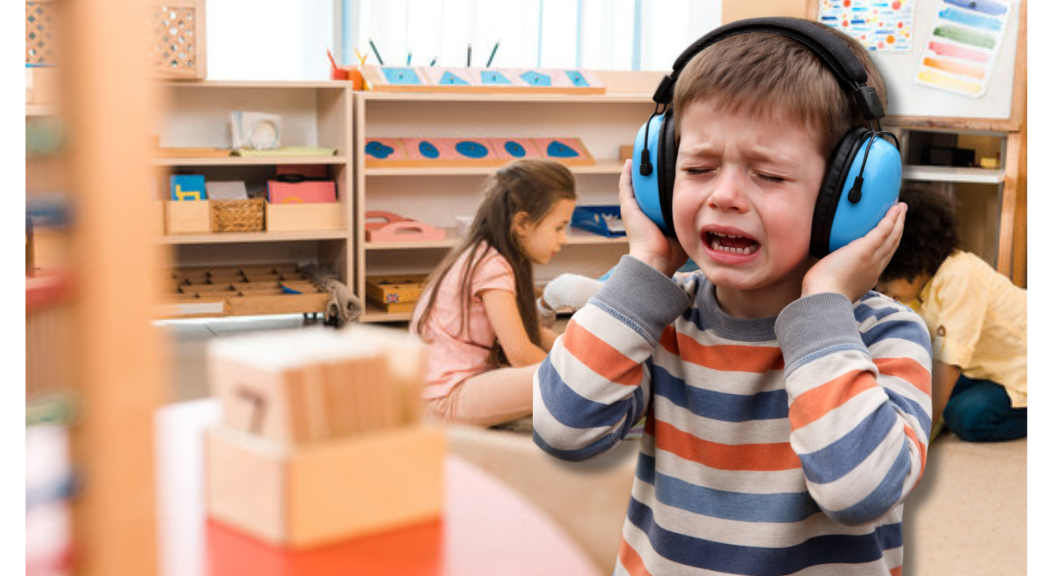
Because autism meltdowns aren’t misbehavior.

They’re overload.


What an autism meltdown really is

Let’s clear this up first—because it matters.

An autism meltdown is not a tantrum.

It’s not a student “choosing” to act out.

It’s what happens when a student—especially a nonverbal student—becomes so overwhelmed that their body goes into survival mode.

This can look like:

  • hitting
  • kicking
  • biting
  • throwing objects
  • dropping to the floor
  • screaming or crying

And for students who can’t communicate with words, behavior becomes their communication.

They’re not trying to be difficult.

They’re trying to cope.


The goal is not control—it’s safety and regulation

In these moments, your goal is not:

  • to teach a lesson
  • to correct behavior
  • to “win” the situation

Your goal is:
👉 keep everyone safe
👉 help the student come back to regulation

That’s it.

Everything else can wait.


Stay calm (even if you’re not feeling calm)

This is easier said than done—but it’s everything.

When a student is escalating, your calm becomes the anchor.

Even if inside you’re thinking,
“okay this just escalated FAST…”

On the outside:

  • lower your voice
  • slow your movements
  • keep your tone neutral

Because if you match their energy, it escalates.

If you regulate yourself, it helps them regulate too.


Reduce language (this is HUGE for nonverbal students)

When a student is in a meltdown, especially a nonverbal student, too many words make it worse.

Their brain is already overwhelmed.

So instead of:

  • long explanations
  • repeated directions
  • talking over the situation

Try:

  • short phrases
  • calm tone
  • minimal words

Examples:

  • “You’re safe.”
  • “I’m here.”
  • “Hands down.”

Simple. Clear. Repetitive.


Create space and remove triggers

When possible, reduce what’s adding to the overload.

This might look like:

  • moving other students away
  • dimming lights
  • lowering noise
  • clearing objects that could be thrown

Sometimes it’s not about moving the student.

It’s about adjusting the environment around them.


Protect safely during aggressive behaviors

Let’s talk real life—because this matters.

If a student is:

  • hitting
  • kicking
  • biting

You may need to:

  • block safely
  • use protective equipment (like arm guards or gloves)
  • maintain distance when possible

This isn’t about punishment.

It’s about safety—for them and for you.

And if you’re a para, you already know…
👉 things can escalate quickly

So having a plan matters.


Don’t take it personally (even when it feels personal)

This one is hard.

Especially when you’re getting hit or screamed at.

But behavior during a meltdown is not about you.

It’s about:

  • overwhelm
  • lack of communication
  • sensory overload

When you stop seeing it as “they’re doing this to me”
and start seeing it as “they’re struggling right now”…

It changes how you respond.


After the meltdown: this part matters too

When it’s over, the student is usually:

  • exhausted
  • calmer
  • more receptive

This is NOT the time for:

  • lectures
  • punishment
  • big conversations

Instead:

  • keep it simple
  • reconnect
  • support regulation

For nonverbal students, this might look like:

  • offering a preferred item
  • giving space
  • returning to routine slowly

The goal is to rebuild a sense of safety.


A real-life perspective (from the classroom)

If you’re in this environment every day, you know—

These moments are not rare.

They’re part of the job.

And they can be:

  • physically exhausting
  • emotionally draining
  • unpredictable

There are days where you walk away thinking,
“Did I handle that right?”

And the truth is… you’re learning in real time.

No one handles every situation perfectly.

But showing up calm, consistent, and supportive?

That makes a bigger difference than you think.


FAQs About Autism Meltdowns in the Classroom

What causes autism meltdowns in the classroom?
Autism meltdowns are often caused by sensory overload, communication challenges, frustration, or changes in routine.

How do you calm a nonverbal autistic child during a meltdown?
Use minimal language, stay calm, reduce sensory input, and provide space. Focus on safety and helping the child regulate rather than correcting behavior.

What should you NOT do during a meltdown?
Avoid raising your voice, giving too many directions, or trying to reason in the moment. This can increase overwhelm and escalate the situation.


Final thoughts

If you’ve ever been in the middle of a meltdown, trying to stay calm while everything feels chaotic…

You’re not alone.

This part of working in special education is not easy.

But the way you show up in those moments—
calm, steady, and supportive—

That’s what helps students feel safe.

Even when they can’t say it.


This post contains affiliate links which may earn Classroom Chic a commission.

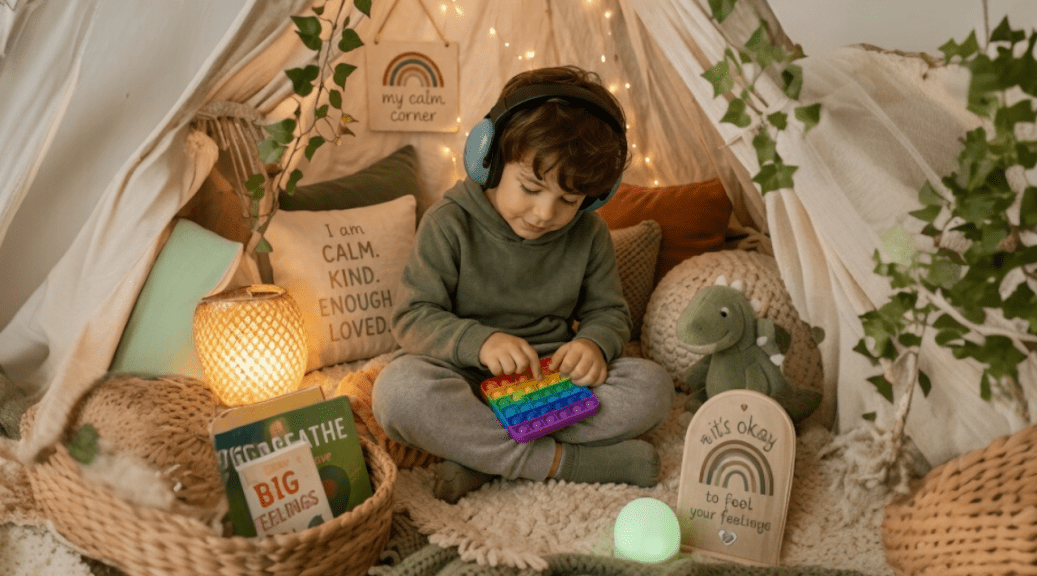
Calm Corners in Autism Classrooms: How to Create a Space That Actually Works

If you work in a special education classroom—especially with students on the autism spectrum—you already know this:

Big emotions don’t come with a warning.

One minute everything feels fine…
and the next, a student is overwhelmed, shutting down, or completely escalated.

And in those moments, you don’t need a complicated system.

You need something that works.

That’s where calm corners come in.

But let’s be real for a second—
a calm corner in an autism classroom is going to look very different than the perfectly styled ones you see on Pinterest.

And that’s okay.


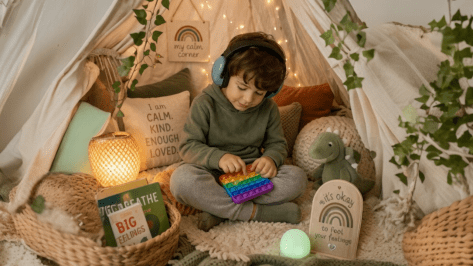
What is a calm corner in an autism classroom?

A calm corner (sometimes called a peace corner or reset space) is a designated area where students can go to regulate when they feel overwhelmed.

But in a special education setting, especially with autism, it’s not just a “cozy break spot.”

It’s:

  • a regulation space
  • a sensory support area
  • a place to decompress safely

For some students—especially nonverbal students—it may be one of the only ways they can process and reset when they’re overloaded.

And that’s why it matters.


Why calm corners work in special education

In autism classrooms, behavior is often communication.

So when a student is:

  • escalating
  • shutting down
  • becoming aggressive
  • or completely overwhelmed

…it’s usually not about defiance.

It’s about regulation.

Calm corners work because they:

  • give students a safe place to go BEFORE behaviors escalate
  • reduce sensory overload
  • provide predictable tools for calming down
  • create structure around emotional regulation

And over time, students start to learn:
👉 “This is where I go when I feel like this.”

That’s a huge win.


Let’s be honest—Pinterest calm corners vs real life

We need to say this.

Pinterest calm corners:

  • perfectly decorated
  • color-coded
  • untouched all day

Real-life autism classroom calm corners:

  • get used A LOT
  • might get thrown around
  • sometimes get avoided completely at first

And that doesn’t mean it’s not working.

It just means it’s real.

Your calm corner doesn’t need to be perfect.

It needs to be functional.


What to actually put in a calm corner (for autism classrooms)

Keep it simple and intentional.

Some essentials that actually work:

  • soft seating (bean bag, mat, or cushion)
  • noise-reducing headphones
  • simple fidgets (not overwhelming choices)
  • visual supports (emotion cards, break cards)
  • calming visuals (breathing prompts, simple images)
  • a timer (to structure the break)

For nonverbal students, visuals are HUGE.

They need to be able to:

  • understand the space
  • use it independently (or with support)

What NOT to do (this matters)

Let’s talk real talk.

A calm corner should NOT be:

  • a punishment
  • a forced “go sit there” space
  • a place students are sent when they’re already fully escalated

Because at that point… it’s too late.

Instead, it should be:
👉 a proactive tool
👉 a taught routine
👉 a safe option—not a consequence


How to introduce a calm corner (especially for autistic students)

You can’t just set it up and expect students to use it.

It has to be taught.

Model it when students are calm:

  • show how to use each item
  • practice taking a break
  • use visuals consistently

For some students, you may need to:

  • prompt them to go
  • guide them through the process
  • repeat it many times

And that’s normal.


A real-life perspective from the classroom

If you’ve ever tried to guide a student to a calm corner during a meltdown…

you already know it doesn’t always go smoothly.

Sometimes:

  • they refuse
  • they escalate more
  • they throw the materials

And you’re standing there like…
“okay… this is not the calm moment I pictured” 😅

But over time, with consistency, it starts to click.

And those small moments—
when a student independently uses the space or avoids a full meltdown—

Those are the moments that matter.


Calm corners and aggressive behaviors

This is important.

A calm corner is NOT a solution during:

  • hitting
  • biting
  • throwing
  • full meltdowns

At that point, your focus is:
👉 safety first

But calm corners help:
👉 reduce how often you get to that point

They’re a prevention tool, not a crisis response.


FAQs About Calm Corners in Autism Classrooms

What is a calm corner used for in special education?
A calm corner helps students regulate emotions, reduce sensory overload, and safely take a break before behaviors escalate.

Do calm corners work for autistic students?
Yes, especially when they include visual supports, sensory tools, and are taught consistently as part of the classroom routine.

Should students be forced to use a calm corner?
No. Calm corners should be a supportive option, not a punishment or forced consequence.


Final thoughts

A calm corner isn’t about having a “perfect classroom.”

It’s about giving students—especially those with autism—a way to feel safe when things get overwhelming.

And if you’ve ever been in the middle of a hard moment, trying to help a student regulate…

you know how important that is.

Start simple.
Keep it realistic.
And let it grow with your classroom.


This post contains affiliate links which may earn Classroom Chic a commission.

Desk Pets in the Classroom: What They Are and How to Use Them for Behavior Management

If you’ve been on teacher TikTok or Pinterest lately, you’ve probably seen desk pets everywhere—and honestly… they’re kind of hard to ignore.

Tiny animals. Mini habitats. Kids completely invested.

And at first, you might think:
“Are these just cute… or do they actually work?”

As someone who works in a classroom, I’ve learned that the things that look simple are often the things that work best.

And desk pets? They’re one of those tools.

They’re fun, yes—but they’re also a surprisingly effective way to support classroom management, encourage positive behavior, and build a sense of ownership in students.


What are desk pets in the classroom?

Desk pets are small collectible items—usually mini animal erasers or figurines—that students “adopt” and keep at their desks.

Think:

  • tiny animals
  • small containers or habitats
  • accessories students can earn over time

Students earn their desk pets through:

  • positive behavior
  • completing work
  • participation
  • acts of kindness

It’s basically a real-life reward system that students can see, hold, and care about.

And that’s exactly why it works.


Why desk pets actually work (not just cute—effective)

Let’s be honest—students are motivated by things that feel fun and personal.

Desk pets work because they:

  • give students something tangible to work toward
  • create a sense of responsibility
  • turn behavior expectations into something positive
  • make classroom routines more engaging

In real classrooms, especially in elementary and special education settings, motivation matters.

And sometimes, something as simple as a tiny desk pet can completely shift how a student responds to expectations.


How to use desk pets for classroom management

The key to using desk pets successfully is keeping it simple and consistent.

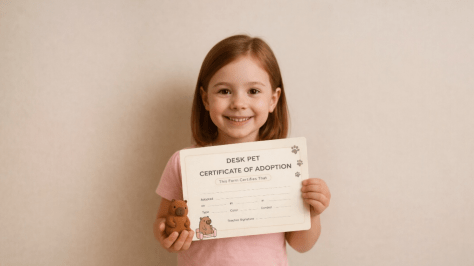
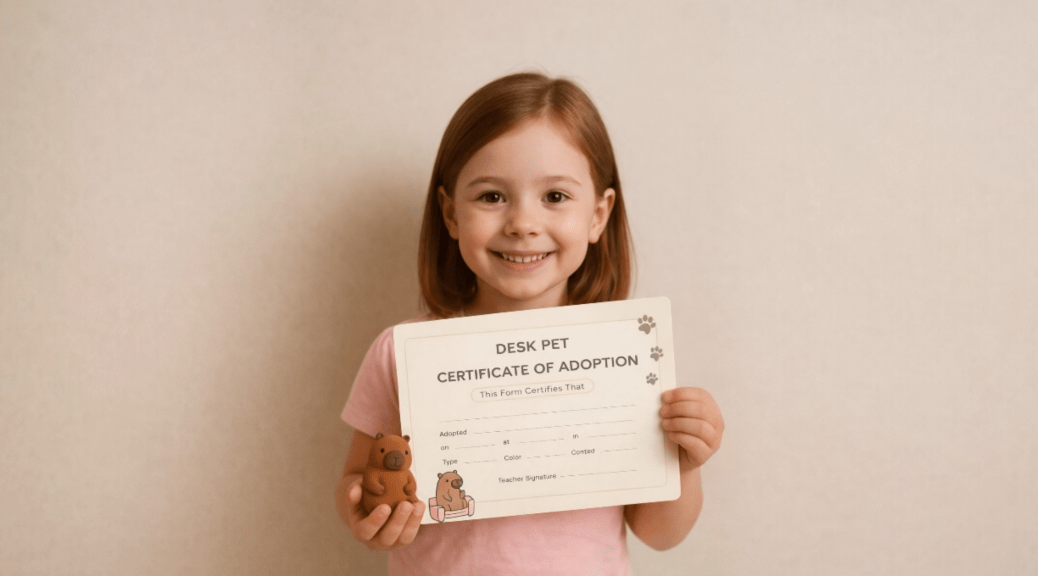
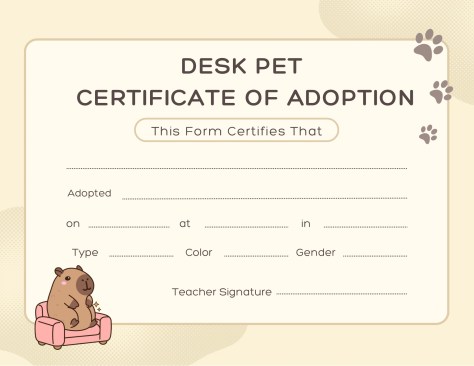
Start with an “adoption day.”

This is where students:

  • choose their first desk pet
  • name it
  • learn expectations for taking care of it

You can even make it a whole moment—because let’s be real, kids LOVE that.

desk pet certificate of adoption

From there, build your system.

Students can earn:

  • new pets
  • accessories
  • upgraded habitats

This can be tied to:

  • a classroom reward system
  • PBIS
  • behavior charts
  • or even just daily expectations

The goal is to connect positive behavior with something meaningful and fun.


Desk pet ideas (keep it simple, but fun)

You don’t need to overcomplicate this.

Some easy desk pet ideas include:

  • mini erasers as pets
  • small plastic animals
  • pencil boxes or clear containers as habitats
  • simple DIY accessories

You can also let students create things like:

  • pet homes
  • food bowls
  • little environments

That adds creativity and ownership—which makes the system even more effective.


Where to get desk pets (budget-friendly options)

You do NOT need to spend a lot of money to make this work.

Some easy places to find desk pets:

You can start small and build over time.


A quick real-life perspective

In real classrooms, desk pets work best when they stay manageable.

You don’t need:

  • a huge system
  • hundreds of accessories
  • or something Pinterest-perfect

You just need something consistent that students understand.

And honestly, sometimes the simplest version works the best.


Keep it realistic (because classroom life is real)

Let’s just say this—because it matters.

Not every day is going to be perfect.

Some days:

  • pets get lost
  • expectations get tested
  • things feel a little chaotic

And that’s okay.

Desk pets aren’t meant to be perfect—they’re meant to support your classroom, not add stress to it.

So keep it simple, adjust as needed, and make it work for your space.


FAQs About Desk Pets in the Classroom

What are desk pets in the classroom?
Desk pets are small collectible items that students earn and keep at their desks as part of a classroom management system.

Do desk pets really work for behavior management?
Yes, many teachers use desk pets as a positive reinforcement tool to encourage responsibility, engagement, and positive behavior.

How do students earn desk pets?
Students can earn desk pets through positive behavior, completing work, participation, or classroom reward systems.

Are desk pets good for special education classrooms?
Desk pets can be especially effective in special education settings because they provide a visual and tangible form of motivation and reinforcement.


Final thoughts

Desk pets might look like just another classroom trend…

…but when used intentionally, they can actually make a big difference.

They add:

  • structure
  • motivation
  • and a little bit of joy to the day

And honestly, that’s something every classroom can use.


Save this for later

If you’re thinking about trying desk pets in your classroom, save this post so you can come back to it when you’re ready to set it up.

Desk pet blog article Pinterest pin

This post contains affiliate links which may earn Classroom Chic a commission.