All posts by Editorial Team

What I Wish I Knew Before Becoming a Paraprofessional (The Honest Truth No One Tells You)

If you’re thinking about becoming a paraprofessional—or you just started—and something already feels overwhelming…

Let me just say this first:

You’re not doing anything wrong.
And no… no one really prepares you for this job.

I’ve been a paraprofessional for 4 years in a public elementary school, working in a self-contained autism classroom. I’ve worked across grade levels and I’m currently in 3rd grade. Some of our students attend their own autism encores, while others integrate into general education for subjects like math or reading.

And over the years, I’ve learned a lot—mostly the kind of things you only learn by being in it.

So this is the honest version. The one I wish someone had shared with me before I started.


The behaviors are real—and they can be intense

This is probably the biggest shock if no one has told you.

There are days when you will experience behaviors like:

  • biting
  • spitting
  • slapping
  • cursing
  • objects being thrown

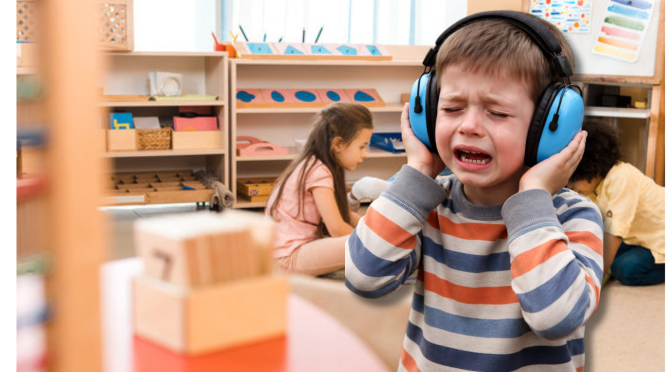
And even when you understand that these behaviors come from dysregulation, communication struggles, or sensory overload… it can still feel like a lot in the moment.

No one really explains how intense it can be until you’re in it.

But over time, you start to shift your perspective. You learn to pause, read the situation, and respond instead of react. That doesn’t mean it’s easy—but it does become something you grow into.


Yes… you may be changing students

This is something people tend to avoid talking about, but it’s part of the job in many special education settings.

Even in upper elementary (like 4th or 5th grade), some students may still be in pull-ups. You may be responsible for helping with hygiene and changing.

If you didn’t expect that, it can feel overwhelming at first.

But eventually, you begin to see it differently. You realize this is about supporting the whole child—helping them feel comfortable, respected, and cared for. It becomes less about the task and more about the purpose behind it.

Still, it’s something I wish I had been prepared for ahead of time.


The emotional toll is heavier than you think

This job isn’t just physical—it’s emotional.

There are moments that stay with you:

  • when a student is struggling and you can’t immediately help
  • when you feel drained at the end of the day
  • when you question if you’re doing enough

You’re not just assisting in a classroom. You’re supporting students who often need constant guidance, patience, and understanding.

That responsibility can feel heavy.

And if you’ve ever gone home replaying moments in your head, wondering what you could have done differently—you’re not alone in that.


The dynamic with other adults can be… complicated

This is one of those things no one really says out loud.

Not every adult in the building is going to feel supportive. Sometimes workplace dynamics can feel cliquey, or you may feel overlooked in your role.

As a paraprofessional, you’re in a unique position. You’re doing a lot of hands-on work, but you don’t always get the same recognition or voice as a lead teacher.

That can be frustrating.

But it also teaches you how to stay grounded, professional, and focused on why you’re there in the first place. Learning to navigate those dynamics is part of the growth, even if it’s uncomfortable.


You will grow in ways you didn’t expect

This job stretches you.

It builds patience in a way nothing else really can. It teaches you how to stay calm in situations that feel chaotic. It helps you develop a deeper level of empathy and understanding.

There are moments where you’ll realize:
“I handled that so differently than I would have before.”

And that growth is real.


My faith is what carries me through

For me, one of the biggest things that helps me show up each day is my faith.

There are moments where I have to pause and remind myself to respond with patience instead of frustration, and to lead with grace even when I’m tired.

Trying to approach my work with a Christlike mindset—choosing kindness, compassion, and understanding—has changed the way I handle difficult situations.

It doesn’t make the job easy, and I’m not perfect at it. But it gives me perspective. It helps me stay grounded and reminds me that what I’m doing matters, even on the hardest days.


Is being a paraprofessional worth it?

This is a question a lot of people ask, especially after experiencing how challenging the job can be.

The honest answer is—it depends on your heart for the work.

It’s not an easy job. It requires patience, emotional strength, and a willingness to step into situations that are sometimes uncomfortable.

But it’s also meaningful in a way that’s hard to explain unless you’ve experienced it.

You’re making a difference in students’ lives every single day, even if it doesn’t always feel like it in the moment.

For me, that’s what makes it worth it.
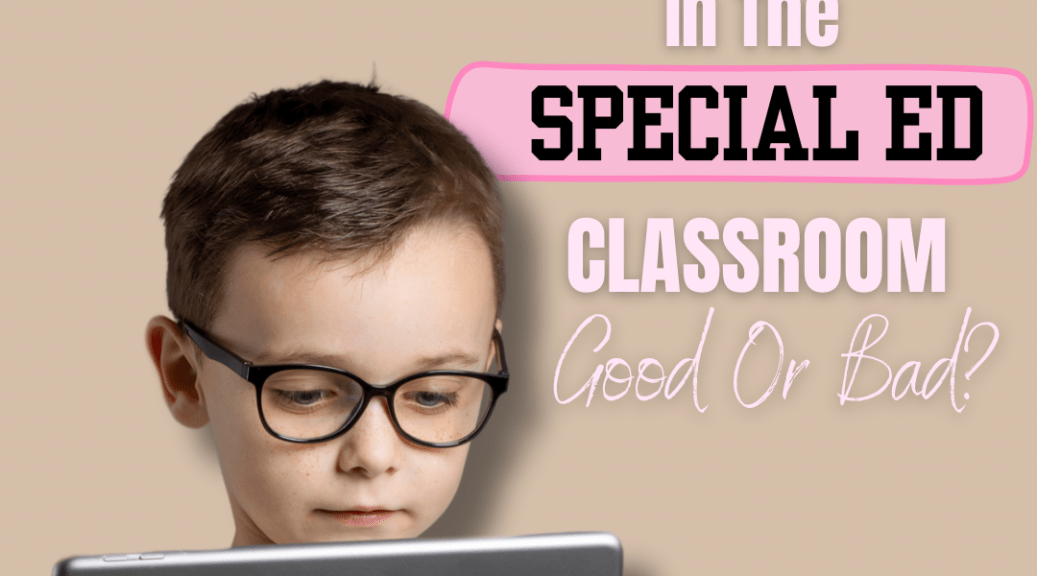
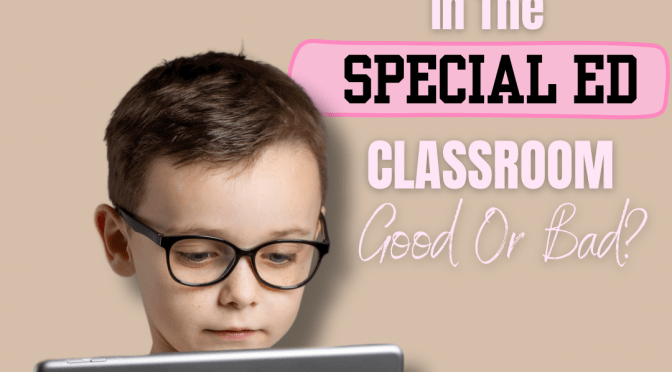
Why iPads in the Special Ed Classroom Can Do More Harm Than Good

(From the Perspective of a Classroom Educator Who’s Seen It All)

Let’s talk honestly about something we don’t always want to say out loud: iPads are not always helpful in the special education classroom. In fact, in my experience, they often create more problems than solutions—especially when they’re not managed with extreme consistency and purpose.

Yes, iPads can offer incredible tools for communication, learning, and engagement. They’re flashy, interactive, and tech-forward. But the reality inside a special education room is a little more complicated than the theory.

Here’s what I’ve seen firsthand, day in and day out:

1. They Lead to Power Struggles and Behavior Battles

The biggest issue? Fighting over iPads.

When kids know iPads are in the room, they become the top reward, the biggest motivator—and unfortunately, the biggest trigger. I’ve seen students refuse to work unless they get iPad time. I’ve seen tears, meltdowns, and even physical fights over who gets to use one and for how long.

The moment a student realizes another got more time, or accessed a different app, the sense of fairness is lost—and so is the calm. For students already working on emotional regulation, the iPad becomes less of a learning tool and more of a lightning rod for drama.

2. They Depend Heavily on Consistent, Firm Adult Management

Here’s the hard truth: if a teacher isn’t consistent with iPad routines, the classroom can quickly unravel.

I’ve worked in rooms where the teacher gave one child the iPad every morning and then “forgot” others were promised turns. Cue the chaos. Other times, a student would sneak an extra 10 minutes because no one was watching closely—then every other student wanted the same. The inconsistencies add up fast, and the breakdown in structure is tough to repair once it begins.

In special ed, structure is everything. And iPads are only effective if used with very clear, consistent expectations—which, let’s be honest, is hard to maintain in a fast-paced classroom with so many needs happening at once.

3. They Can Reinforce Escapism, Not Learning

Many students in special ed classrooms already struggle with avoidance behaviors. The iPad can become a quick escape hatch—something they cling to instead of engaging with peers, completing hands-on work, or learning through movement and interaction.

I’ve seen students zone out completely, stuck in a game loop, swiping through videos, or tapping randomly without any real purpose. And while some might argue “well, at least they’re quiet,” the truth is: they’re not learning. They’re tuning out.

4. They Replace, Rather Than Support, Relationship-Building

Special ed classrooms thrive on connection—between students and staff, peers and teachers, kids and their environment. iPads often get in the way of that.

Instead of building social skills through play, turn-taking, or communication, some students retreat into the screen. And honestly, sometimes staff allow it—because it’s easier. But easy doesn’t mean effective. In the long term, this overreliance on screens slows progress in the very areas these students need the most support.

5. They Take Away from More Meaningful Sensory and Hands-On Activities

There are so many rich, hands-on learning experiences that help special ed students thrive—sensory bins, building materials, movement games, fidget tools, role play, even art and music.

When an iPad becomes the go-to activity or reward, it often replaces these developmental goldmines with passive screen time.

I’ve watched students who were once curious and engaged suddenly lose interest in sensory play or pretend learning because, to them, it didn’t compete with an app. And that’s heartbreaking.

So, Are iPads All Bad?

No. iPads have their place. For communication devices, specialized apps, or very structured reward systems, they can be powerful. But in my experience, unless they’re implemented with clear rules, adult consistency, and monitored screen time—they do more harm than good.

In Conclusion

If you’re considering using iPads in your special ed classroom, ask yourself:

Are you prepared to be consistent every single day with usage? Do you have a clear structure for when, why, and how they’re used? Are you ready to manage the emotional fallout when one child gets it and another doesn’t?

If the answer is no—or even “not yet”—it might be time to rethink how and when technology is introduced. Because at the end of the day, what our students need most is connection, structure, and real-world engagement—and too often, iPads get in the way of all three.

Let me know your thoughts—have you had similar experiences with iPads in your room? Or have you found a system that actually works? Let’s share and grow together

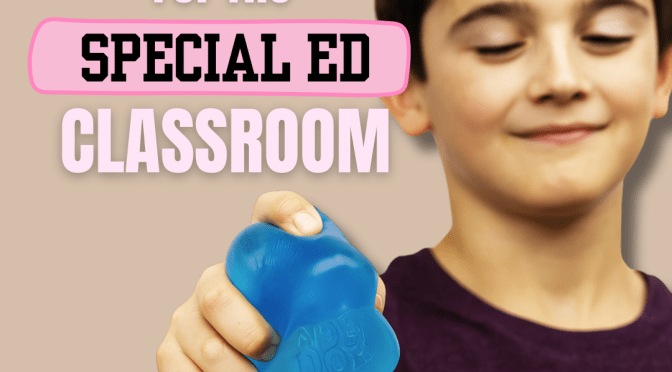
Top Fidgets For The Special Ed Classroom: Calming Tools That Actually Work!

Walking into a special education classroom, you’ll likely see more than just books, bulletin boards, and sensory bins—you’ll probably notice a variety of fidgets tucked into desks, baskets, or calm corners. And for good reason: fidgets aren’t just trendy little toys. For many of our students with sensory processing needs, ADHD, anxiety, or emotional regulation challenges, the right fidget can make the difference between a meltdown and a manageable day.

Benefits of Fidgets in the Special Ed Room:

Improve focus and attention

Provide sensory input in a controlled, appropriate way

Reduce anxiety and emotional overwhelm

Help with self-regulation and transitions

Offer nonverbal cues that a student needs a break

As a special ed para, I’ve seen firsthand how powerful a simple fidget can be when a student is overstimulated, anxious, or struggling to focus. Whether it’s to help calm their nervous system or provide just enough tactile input to stay grounded during a lesson, fidgets are often the unsung heroes in our classrooms.

Here are some of the best fidgets I’ve used and loved—with real results.

Schylling NeeDoh Nice Cube

Schylling NeeDoh Nice Cube

This is hands-down my top pick. The Schylling NeeDoh Nice Cube isn’t just adorable—it’s incredibly effective. It has a super solid, satisfying squish that provides deep pressure input without being messy or sticky. The cube shape gives it a unique tactile edge over standard stress balls, and students love the way it feels in their hands.

It’s durable enough for daily use (a huge win in any classroom), and the simple cube design makes it feel a little more grown-up for older students who still need sensory support. I keep one in our calm corner and another in my bag—because let’s be real, even we need a fidget sometimes!

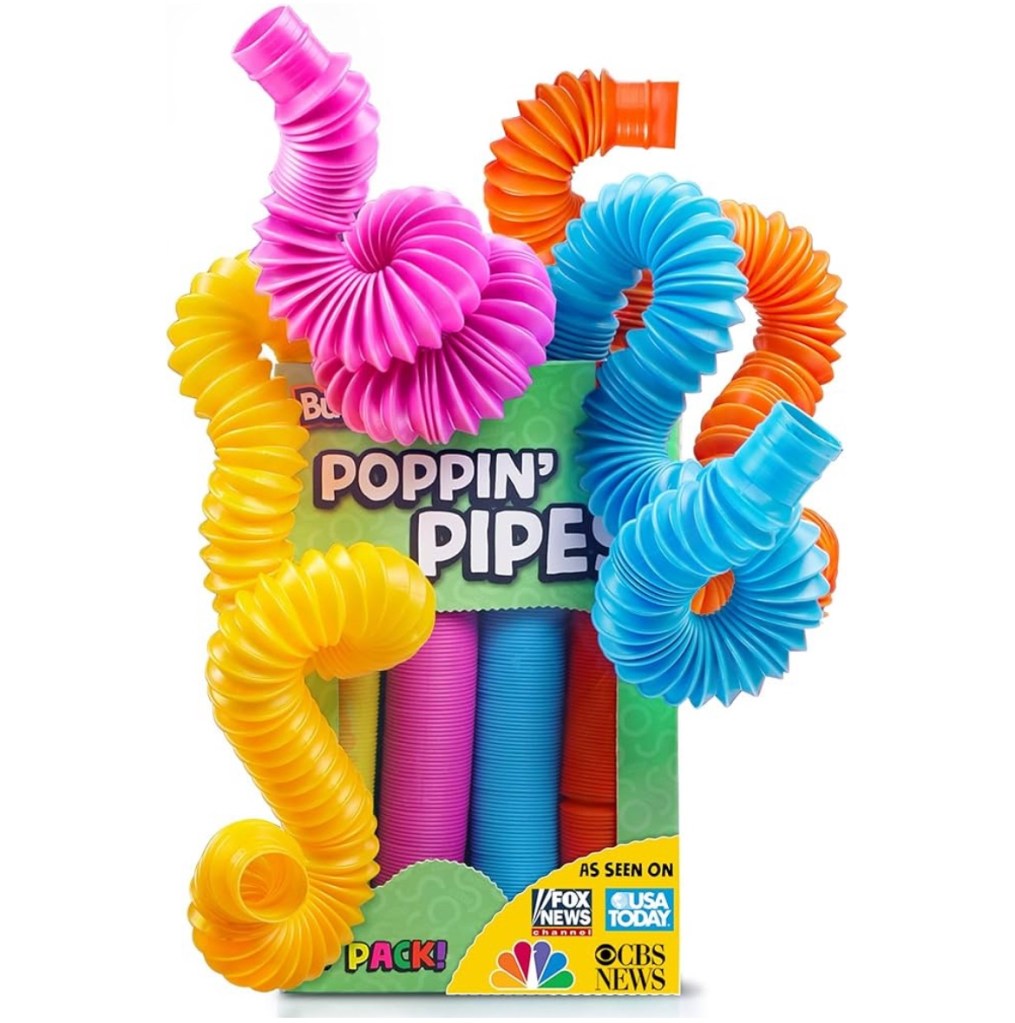
Bunmo Pop Tubes

BUNMO Pop Tubes

The BUNMO Pop Tubes are a classroom favorite for good reason! These large, colorful tubes aren’t just fun to stretch, twist, and pop—they also support sensory regulation, motor skills, and imaginative play. Whether your students need a movement break, a way to focus during instruction, or just a safe outlet for extra energy, these tubes deliver.

They’re durable, washable, and designed for ages 3+, making them perfect for preschool through elementary special education settings. Bonus: they’re non-mouthable, which gives added peace of mind in busy classrooms. With tons of ways to play and engage, they’re a versatile and affordable tool that kids truly love.

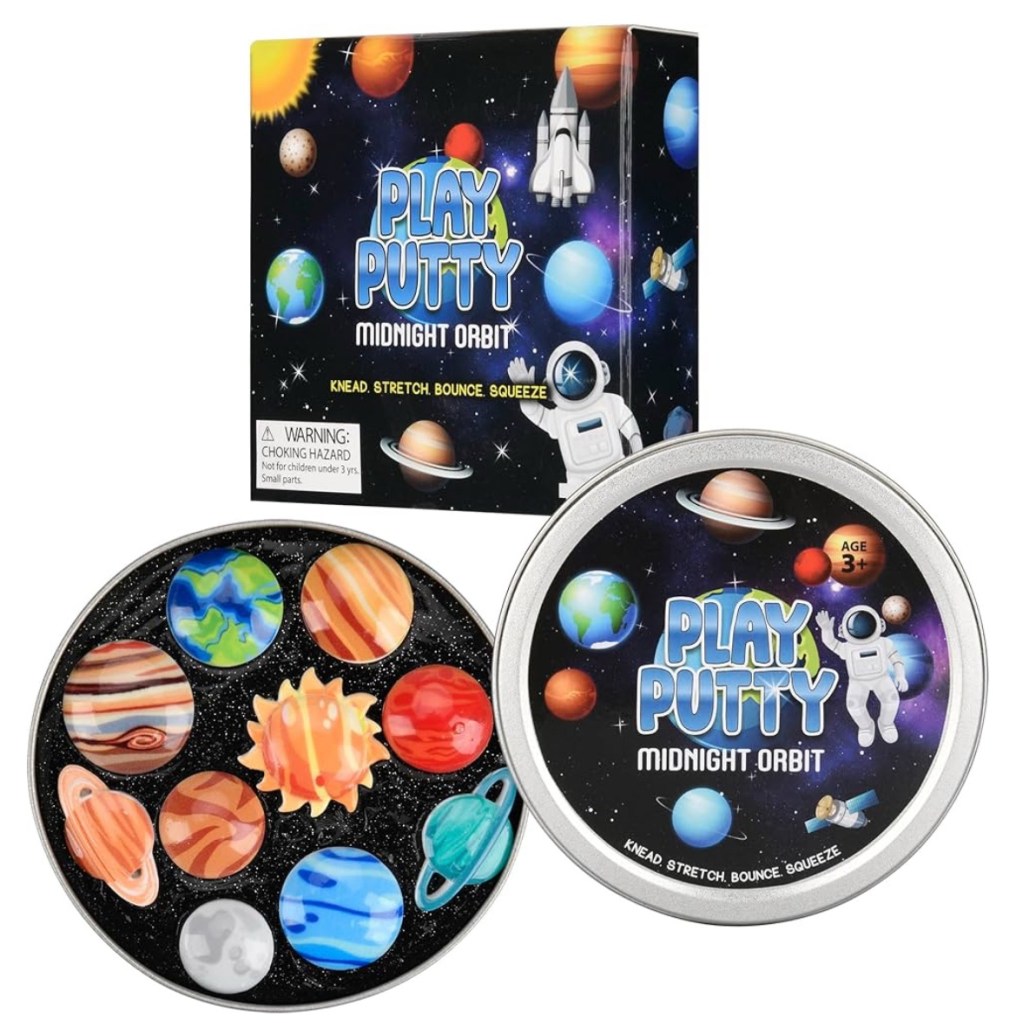
Inner-Active Play Putty

Midnight Orbit Space-Themed Play Putty

The Midnight Orbit Space-Themed Play Putty is so much more than just putty—it’s a sensory tool, fine motor workout, and imaginative play experience all in one. With a fun galaxy color scheme and surprise charms hidden inside, this putty keeps kids engaged while supporting hand strength, coordination, and focus.

My students love anything involving putty, and this one is always a favorite during calm-down time or sensory breaks. The medium resistance makes it just challenging enough to be therapeutic without frustrating little hands. Whether kids are stretching, squishing, or searching for the hidden charms, they’re learning, self-regulating, and building important motor skills—all while having fun!

Articulated snail fidget toys
Cevioce Fidget Slug Toys

Cevioce Fidget Slug Toy

The Cevioce Fidget Slug Toy is a surprisingly effective and engaging tool for both kids and adults! With its colorful 3D articulated design, it’s more than just cute—it’s incredibly satisfying to wiggle, twist, and fidget with. The movement encourages fine motor development and hand coordination, making it a great option for sensory breaks or calm-down time.

These slugs also provide gentle wrist exercise and stress relief, making them a fun choice for students with ADHD, autism, or anxiety. The 3-pack is perfect for classroom use or sharing, and they’re quiet enough to use during seated work without being a distraction. A playful, budget-friendly way to support sensory needs and focus!

Wondernest Sensory Tiles

Labeled Sensory Mats

The 12 Labeled Sensory Mats are a must-have for any special education, toddler, or Montessori-inspired classroom. Each textured tile offers a unique tactile experience that encourages sensory exploration, movement, and self-regulation. Whether you’re using them on the wall, floor, or in a sensory path, these mats help students ground themselves through touch and texture.

I especially love that they’re clearly labeled, which supports language development and allows students to identify and express their sensory preferences more easily. These are perfect for kids with autism, sensory processing needs, or simply those who benefit from structured sensory input. They’re also durable, easy to clean, and super versatile—great for group activities, individual play, or movement breaks. A fantastic investment in hands-on, whole-body learning!

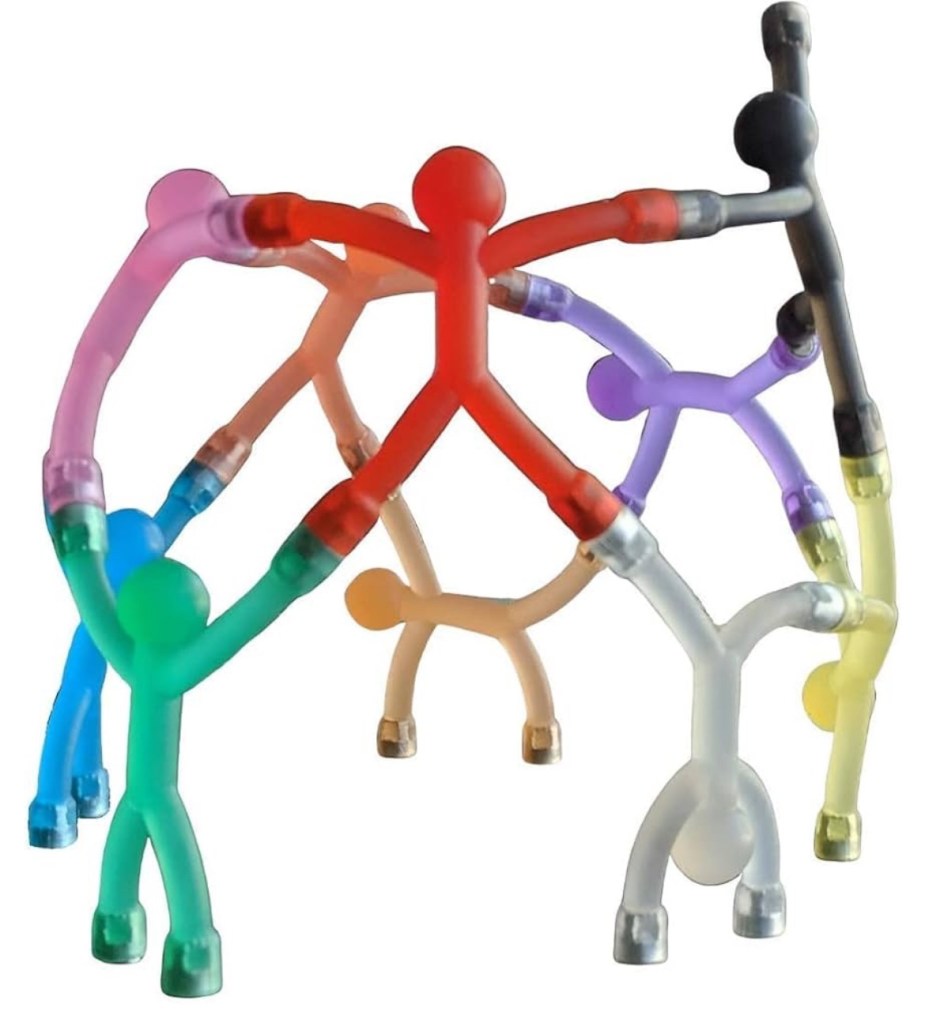
Magmen fidgets
Magmen

MAGMEN Magnetic Travel Toys

The MAGMEN Magnetic Travel Toys are a fun and functional twist on traditional fidgets! These little bendable figures are not only magnetic and stretchy—they also invite creativity, storytelling, and problem-solving. Kids love connecting and posing them, and they’re especially great for students who enjoy imaginative play during calm-down time.

They’re quiet, mess-free, and perfect for individual desk use, small groups, or even travel. With a pack of 10 opaque figures, there’s plenty to go around (or rotate out as needed). Bonus: my students love using them to build shapes, line up patterns, or just fiddle during transitions. A unique and educational sensory tool that keeps hands busy and minds engaged!

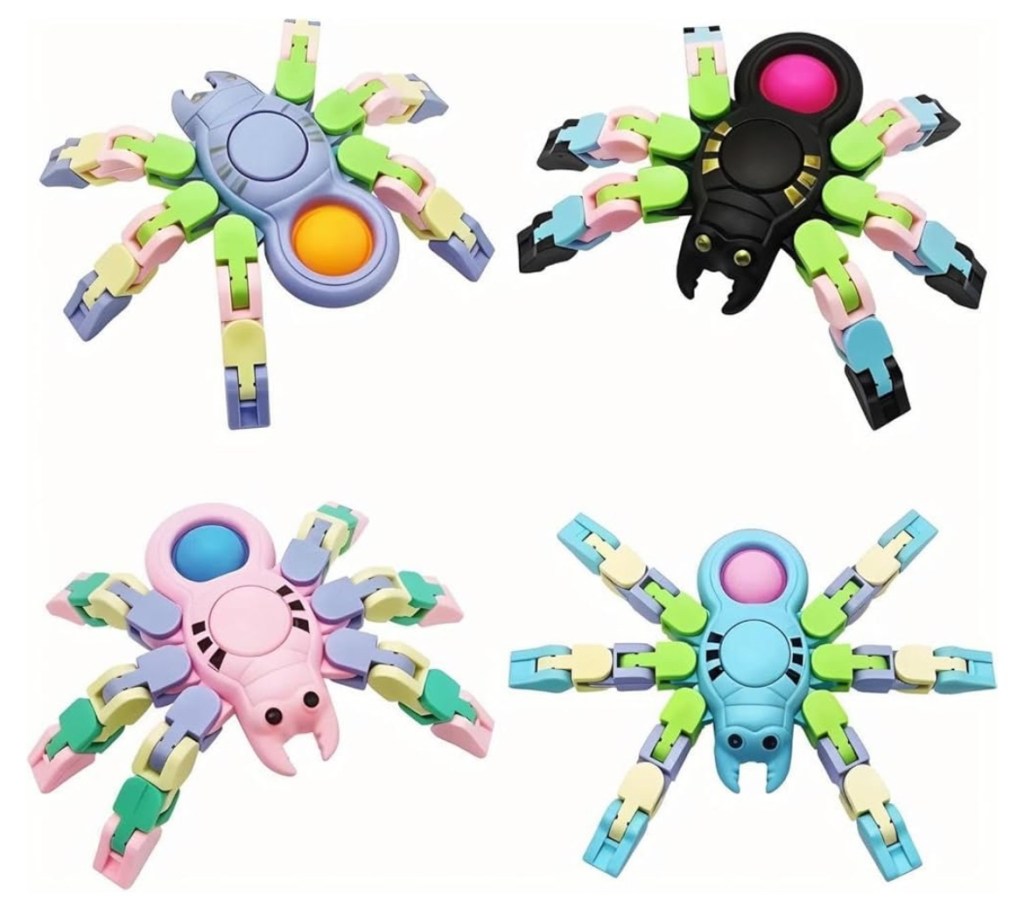
Transformable fidgets
Arlkono Transformable Fidget Spinners

Transformable Fidget Spinners

The Transformable Fidget Spinners are a total hit with my students—and it’s easy to see why! These unique toys combine two favorite fidget features into one: a satisfying popper surface and a spinner, giving kids multiple ways to stay focused and self-regulate.

They’re colorful, interactive, and super engaging for students with ADHD, autism, or just busy hands that need something to do. Kids love transforming them into different shapes and spinning them during transitions, breaks, or even quiet work time. Plus, the 4-pack makes it easy to rotate them or share among a small group. It’s the best of both fidget worlds in one clever little toy—and yes, they definitely make learning feel more fun!

Bunmo Stretchy Strings

BUNMO Stretchy Strings

The BUNMO Stretchy Strings are a staple in any sensory toolkit—especially this glittery 6-pack that adds a fun visual element to an already satisfying fidget! These stretchy, squishy strings are perfect for pulling, twisting, wrapping, and squeezing, giving kids the proprioceptive input they often crave.

They’re non-toxic, durable, and designed specifically as non-mouthable for kids ages 3 and up, which makes them a safer choice in the classroom. These are a big hit during sensory breaks, transitions, or as part of calm-down bins. The glitter adds a little extra sparkle that students love—and they’re super easy to clean and reuse again and again. A fun, flexible way to support focus, regulation, and stress relief!

Every child is different—what calms one might frustrate another. But having a variety of fidgets available gives students the chance to learn what works best for them. Whether it’s the satisfying squish of a Schylling NeeDoh Nice Cube, a trusty tangle, or some squishy putty in a calm corner, these tools help our students thrive—not just survive—the school day.

And as educators, that’s all we want: to give our students what they need to feel safe, focused, and ready to learn.

Do you have a favorite classroom fidget? Drop it in the comments—I’m always on the lookout for new tools to try!

Pinterest Pin for the blog article must have fidgets for the special education classroom

This post contains affiliate links which may earn Classroom Chic a commission.

grove.pxf.io/NKbOZ2

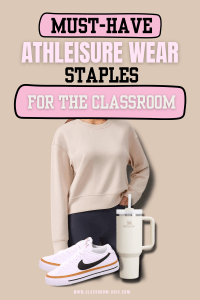
The Best Athleisure Essentials for Teachers and Paras: Comfortable, Cute & Classroom-Ready Looks

Let’s be real—teaching is not a desk job. Whether you’re a classroom teacher, paraeducator, or support staff, you’re constantly on the move, bending, squatting, comforting students, and juggling a million things at once. So why not dress the part in something that’s comfortable enough to move in but still polished enough to wear to school?

Enter: athleisure for educators. This isn’t your weekend-only wear—we’re talking teacher-appropriate joggers, breathable tops, and stylish sneakers that pass the hallway check while keeping you comfy from the morning bell to dismissal duty. Athleisure is perfect not just for everyday classroom wear, but also for spirit weeks, field days, after-school events, and even casual Fridays.

Whether you’re dressing for function or fun, I’ve rounded up the most teacher-loved athleisure staple pieces from Amazon to help you build your classroom wardrobe. Scroll on for tried-and-true favorites that pair comfort, coverage, and cuteness—with links, reviews, and outfit inspo included!

ANRABESS Oversized Tee

The ANRABESS Oversized Tee is a teacher favorite for a reason—soft, breezy, and effortlessly stylish. It’s the perfect blend of cute and comfy, easy to tuck, knot, or layer. Think Free People vibes on a budget. A must-have for everyday classroom wear!

HeyNuts Workout Pro/Yoga Pro 7/8 Leggings with Side Pockets for Women, High Waisted Tummy Control Compression Pants 25''
HeyNuts

HeyNuts Workout Pro 7/8 Leggings

These HeyNuts Workout Pro 7/8 Leggings feel and function just like Lululemon—but at a fraction of the price! With a high waist, light compression, and deep side pockets, they’re perfect for busy teachers who want comfort and support all day long. A total steal!

Pinspark

PINSPARK Soft Crewneck Cropped Sweatshirt

The PINSPARK Soft Crewneck Cropped Sweatshirt is buttery soft and lightweight—perfect for teachers who want cozy style without the bulk. It’s not a traditional sweatshirt since it doesn’t have fleece, making it great for warmer weather or layering. A comfy, breathable wardrobe staple!

G Gradual

G Gradual Women’s Joggers

The G Gradual Women’s Joggers are an athleisure essential for any educator who juggles comfort, style, and movement all day long. Whether you’re on your feet working with students, crouching beside desks, or transitioning from the classroom to errands, these high-waisted yoga pants deliver.

Automet

AUTOMET Women’s Half Zip Cropped Pullover

The AUTOMET Women’s Half Zip Cropped Pullover is the ultimate staple for teachers and paras who want to stay cozy without sacrificing style. With its trendy half-zip design and slightly cropped fit, it pairs effortlessly with high-waisted joggers or leggings—giving you that put-together look with zero effort. It’s a go-to piece you’ll reach for all season long, whether you’re teaching, lounging, or running errands. 

Nike

Nike Women’s Court Legacy Next Nature Sneaker

The Nike Women’s Court Legacy Next Nature Sneaker is a stylish and practical choice for teachers and paras who are on their feet all day. With its clean, classic design, it elevates any athleisure or casual outfit while offering the all-day comfort and support Nike is known for. The sustainable materials make it a feel-good buy, and the neutral color options make it easy to pair with joggers, jeans, or even casual dresses. Whether you’re in the classroom, on the playground, or out running errands, these sneakers keep you comfortable, professional, and effortlessly chic!


This post contains affiliate links which may earn Classroom Chic a commission.

Why Teachers and Paras Need Professional Boundaries

In the world of education, collaboration is essential. Teachers and paraprofessionals (paras) work side by side to support student learning and ensure classroom success. However, while strong professional relationships are important, becoming close personal friends can sometimes create complications that undermine the school environment. Here’s why maintaining professional boundaries between teachers and paras is not just wise—it’s necessary.

1. Favoritism Is Hard to Avoid

When a teacher and a para become close friends, it’s easy for favoritism—intentional or not—to creep in. This can look like:

  • Giving each other preferential schedules or tasks
  • Siding with each other during disagreements or staff meetings
  • Making decisions based on loyalty instead of what’s best for students

This can quickly cause resentment among other staff and create an unfair dynamic in the workplace. Even the appearance of favoritism can damage morale and trust on a team.

2. Blurred Lines Create Confusion

The line between personal and professional can easily blur when two coworkers become close friends. If a para begins to feel more like a peer than a support role—or if the teacher begins treating the para more like a buddy than a colleague—it can confuse roles and responsibilities. This often results in:

  • Miscommunication
  • Missed tasks
  • Power struggles
  • Undermining the authority of one or the other

Professional clarity is essential for a smooth classroom flow, and blurred lines disrupt that.

3. It Can Isolate Others

In a school environment, cliques can form just like in any other workplace—and when a teacher and para have an exclusive friendship, it can alienate other staff members. Whether it’s whispering in the break room, laughing over inside jokes, or always being paired together, it can make coworkers feel excluded or even intimidated.

This kind of division doesn’t just hurt staff morale—it can also bleed into how students perceive adult relationships in the building.

4. Personal Drama Spills Into the Classroom

Let’s be honest: even the best friendships hit rough patches. And when two friends who also work together have a falling out, the tension doesn’t stay outside the school doors. It often shows up in:

  • Passive-aggressive behavior in front of students
  • Unwillingness to cooperate
  • Emotional distractions that affect classroom management

This can disrupt student learning and damage the professional culture of the classroom.

5. Boundaries Model Professionalism for Students

Students are always watching. When teachers and paras demonstrate healthy, respectful, and professional interactions, students learn how to navigate adult relationships. But if the adults in the room gossip, bicker, or form exclusive friendships, students may mimic those same behaviors.

Maintaining professional boundaries helps reinforce the kind of respectful behavior educators want to see in their students.

Professional, Not Personal

This doesn’t mean teachers and paras should be cold or distant with each other. A warm, respectful, and collegial relationship is ideal. You can enjoy working with someone, laugh together, and support each other—without becoming overly personal or exclusive.

Save the close friendships for people outside your work bubble. It protects your professionalism, your peace, and your purpose.

In short: Boundaries are not walls—they’re guidelines that keep relationships healthy. When teachers and paras keep their focus on professionalism, the entire school benefits.

Why Teachers and Paras need professional boundaries Pinterest pin

This post contains affiliate links which may earn Classroom Chic a commission.

De-Escalating Behavior in the Classroom: 5 Calm, Confident Strategies That Work

Every teacher knows the feeling: A student is on the verge of a meltdown, the energy in the room is shifting, and all eyes are on you. What you do next can either escalate the situation—or de-escalate it with grace and intention. Knowing how to de-escalate behavior in the classroom isn’t just about classroom management—it’s about building trust, safety, and connection.

In today’s post, we’re diving into calm, confident strategies for de-escalating student behavior, especially during those high-stress moments that can throw off your entire day. These strategies are simple, research-backed, and teacher-tested.

Why De-Escalation Matters

Students who display challenging behaviors are often communicating something they can’t say with words. Whether it’s anxiety, sensory overload, frustration, or trauma, their behavior is usually the tip of the iceberg. Reacting with anger or control can inflame the situation, while calm, supportive responses can help bring them back to regulation—and show the whole class what safe, responsive teaching looks like.

1. Stay Calm—Even If You’re Faking It

The most powerful tool you have in a tense situation is your own calm presence. Lower your voice, soften your body language, and resist the urge to match their energy. When you stay regulated, you signal to the student (and the rest of the class) that things are under control.

Tip: Speak slowly, give space, and use short, clear sentences like:
“I can see you’re upset. I’m here to help.”

2. Create Space Without Shaming

Sometimes a student just needs a moment to breathe. If a student is on the verge of an outburst, give them the option to step away—without drawing negative attention. A calm corner, peace table, or even a hallway pass can work wonders.

Example:
“Would you like to take a quick break and come back when you’re ready?”

Offering choice gives them a sense of control during a time when they may feel emotionally out of control.

3. Validate Feelings, Redirect Behavior

Acknowledging how a student feels doesn’t mean condoning their behavior. It means letting them know you see them and care. Once emotions are validated, you can begin to redirect or offer next steps.

Example:
“I can tell that math was really frustrating. Let’s take a few deep breaths, then we’ll figure it out together.”

Validation builds connection—and connection is a powerful path to regulation.

4. Use Nonverbal Strategies

Sometimes, less is more. Eye contact, a gentle nod, a calm hand signal, or simply standing near the student can help de-escalate behavior without needing to say a word. This is especially effective for students who become more reactive when verbally redirected.

Try This:

  • A pre-taught hand signal for “take a break”
  • A visual reminder card on their desk
  • A calming gesture, like a hand on your heart, to model deep breathing

5. Follow Up, Don’t Forget

De-escalation doesn’t end when the outburst does. Quietly check in with the student later in the day, once emotions have settled. Let them know you care, and give them a chance to reflect without judgment.

Example:
“You seemed really upset earlier. I’m glad you’re feeling better now. Next time, how can I help you before it gets to that point?”

These conversations help students learn from the moment—and build a relationship based on respect and support.

Final Thoughts

De-escalating behavior is a skill that gets stronger with practice. It’s not about being perfect—it’s about being present. The more calm, consistent, and compassionate you are, the more your students will learn that your classroom is a safe place—even when things get tough.

We’re all in this together—and you’ve got this!


This post contains affiliate links which may earn Classroom Chic a commission.

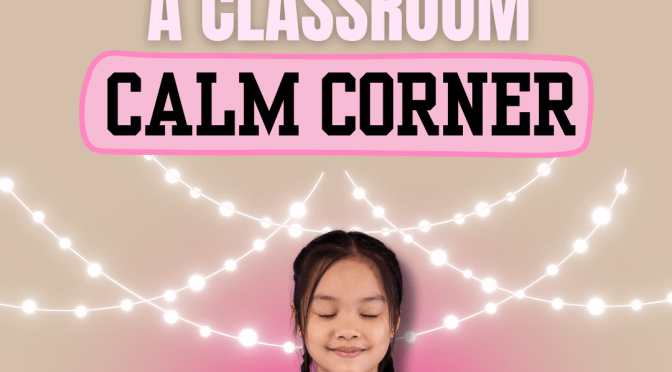
Creating a Calm Corner: A Trending Behavior Management Tool That Actually Works

Classroom behavior management is evolving—and for the better. More and more teachers are moving away from rigid discipline systems and turning toward supportive, student-centered strategies that promote emotional regulation. One of the most effective and widely used methods gaining momentum in recent years is the Calm Corner.

Also called a “peace place” or “reset station,” a calm corner is a designated space in the classroom where students can go to self-regulate, reflect, and reset—without punishment or shame. If you’re looking for a behavior management tool that aligns with social-emotional learning (SEL), trauma-informed practices, and inclusive teaching, this trending strategy might be just what your classroom needs.

What Is a Calm Corner?

A calm corner is a quiet, cozy spot in the classroom that provides students with the tools and space they need to manage their emotions. It’s not a time-out corner or a place of discipline—it’s a supportive environment for students to pause and reset when they feel overwhelmed, frustrated, anxious, or overstimulated.

Typically, a calm corner includes soft seating, sensory tools, emotion check-ins, calming visuals, and reflection sheets. The goal is to teach and empower students to recognize when they need a break and use tools to regulate themselves, eventually returning to learning with more focus and confidence.

Why Calm Corners Work

This strategy is backed by research in emotional regulation, trauma-informed teaching, and positive behavior interventions. Here are a few reasons teachers are embracing calm corners:

  • Promotes self-awareness and emotional intelligence
  • Reduces disruptive behaviors and classroom conflicts
  • Builds a supportive and inclusive classroom culture
  • Gives students a healthy outlet for big feelings
  • Supports neurodivergent learners and those with trauma backgrounds

Most importantly, calm corners teach lifelong skills: recognizing emotions, choosing appropriate strategies, and returning to a task with focus and resilience.

What to Include in a Calm Corner

Your calm corner doesn’t need to be elaborate. Start small and build over time. Here are some teacher-approved items to consider:

How to Introduce the Calm Corner

Setting clear expectations is key. Introduce the space during your first weeks of school or right after a break. Explain the purpose: this is a safe place to regroup, not a punishment. Model how to use the tools, practice role-playing scenarios, and reinforce that using the calm corner is a sign of strength—not weakness.

Students should understand they can use the space when they need it (or with a teacher cue), and that it’s a short, purposeful break with the goal of returning to the task once they feel ready.

Classroom Chic Tip: Keep a Calm Corner log (digital or paper) to track use patterns. It can help you identify students who need additional emotional support or behavior interventions.

Is a Calm Corner Right for Your Classroom?

Calm corners can be adapted for nearly any age group or classroom setting. From primary to middle school, general ed to special ed, students benefit from having a space that honors their emotions. And as educators, it allows us to shift from “reactive” discipline to proactive support.

As behavior challenges continue to rise in classrooms nationwide, calm corners offer a low-cost, high-impact solution that’s grounded in empathy, respect, and relationship-building.

Final Thoughts

Creating a calm corner doesn’t just change student behavior—it changes classroom culture. When we give students the tools to manage their emotions, we teach them that feelings are valid and manageable, and that their classroom is a safe place to learn and grow.

Do you use calm spaces in the classroom? Let me know in the comments below!


This post contains affiliate links which may earn Classroom Chic a commission.

Desk Pets in the Classroom: A Fun Way to Boost Behavior & Build Community

If you’ve spent any time on teacher TikTok or Pinterest lately, you’ve likely come across one of the cutest (and most effective) classroom trends: desk pets. These tiny animal erasers or figurines are quickly becoming a favorite classroom management tool for teachers everywhere—and for good reason. Desk pets are fun, engaging, and surprisingly helpful when it comes to promoting positive behavior and building classroom community.

Whether you’re just hearing about them or already planning your “adoption day,” this post will walk you through what desk pets are, how to use them, and why they might just be your favorite new classroom management strategy.

What Are Desk Pets?

Desk pets are small collectible items—usually mini animal erasers or figurines—that students “adopt” and keep at their desks in small containers. They can earn pets and accessories through good behavior, participation, completed work, or acts of kindness. Think of them as a physical, real-world version of a virtual pet game—except the rewards are based on classroom success.

Many teachers incorporate desk pets into their classroom economy, behavior chart system, or PBIS model. Others simply use them as a motivational tool or to add a little joy and structure to the day.

Why Teachers Love Them

Desk pets aren’t just cute—they’re highly effective when it comes to classroom management. Here’s why they’ve become such a hit:

  • They encourage responsibility and ownership.
  • They help reinforce positive behaviors and habits.
  • They provide a fun and non-verbal classroom management tool.
  • They can be integrated into multiple subjects or reward systems.
  • They foster community, empathy, and even creativity.

Most importantly, they help create a classroom culture where students feel engaged and motivated to do their best.

How to Introduce Desk Pets

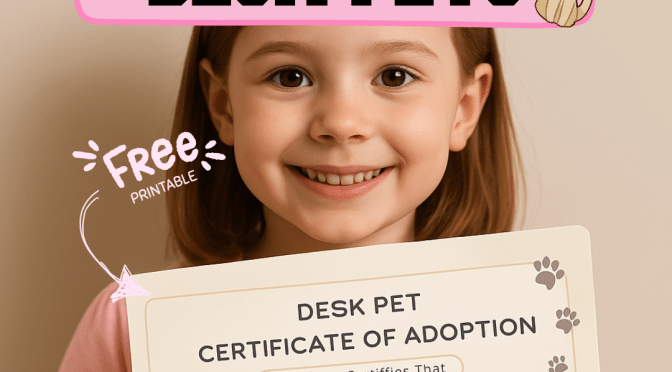
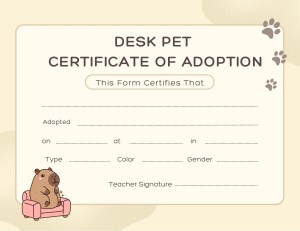
Start with an “Adoption Day” where students get to choose their first pet from your classroom pet center. You can even have students fill out a pet adoption form, name their pet, and learn the classroom rules for pet care.

Desk Pet Adoption Certificate

From there, establish a system for how students can earn new pets, accessories, or habitats. This can be through a point system, classroom currency, or sticker charts—whatever works best for your routines. Be clear about expectations and rewards so students understand how the system works and how they can participate.

Accessory and Habitat Ideas

You can get as creative or as simple as you’d like. Here are a few easy and fun ideas to start with:

  • Mini beds made from bottle caps, small boxes, or felt scraps
  • Food bowls or pretend pet snacks made from clay or paper
  • Clear containers or pencil boxes transformed into pet habitats
  • Printable pet homes or diorama-style environments for desk display

Letting students earn or create new items for their pets is a great way to reinforce goals and celebrate success.

Where to Find Desk Pets

You don’t need to break the bank to start a desk pet program. Here are a few great places to look:

  • Amazon: Search “mini animal erasers” or “desk pet bundles
  • Dollar Tree: Great for small figurines, storage containers, and craft items
  • Target Dollar Spot: Seasonal minis, bins, and accessories
  • Oriental Trading: Affordable bulk options for classroom use
  • Etsy: Cute printable adoption papers and themed desk pet kits

Keep It Simple and Make It Fun

Don’t feel like you have to do everything at once. Start small, keep your system manageable, and adjust as you go. You can even use desk pets during certain times of the year, like as a winter incentive, back-to-school kickoff, or spring behavior refresh.

Final Thoughts

Desk pets bring a little magic to the classroom, and that’s something every teacher and student can appreciate. When used intentionally, they can strengthen classroom routines, reward meaningful progress, and give students something to take pride in. Whether you’re using them as part of a behavior plan or just for a bit of fun, desk pets are a simple way to make your classroom feel even more like a community.

If you’ve tried desk pets in your own classroom, I’d love to hear what worked for you. Share your ideas in the comments below and don’t forget to share our Pinterest pin!

Desk pet blog article Pinterest pin

This post contains affiliate links which may earn Classroom Chic a commission.