
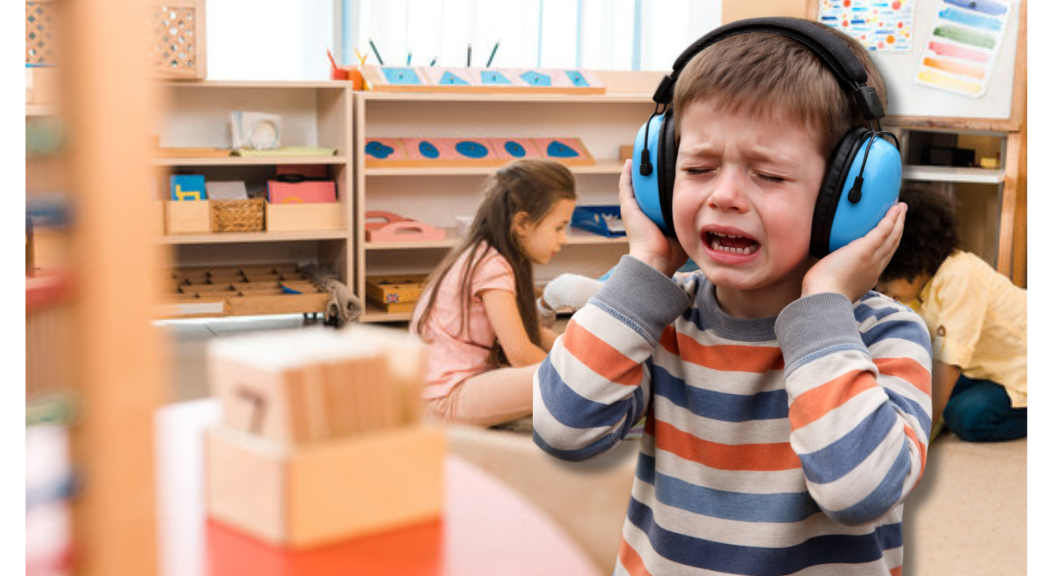
If you work in a special education classroom, you already know this moment.
The energy shifts.
A student starts to escalate.
Maybe they can’t communicate what’s wrong.
Maybe they’re already hitting, throwing, or completely overwhelmed.
And suddenly… everything in the room changes.
All eyes are on you.
And in that moment, what you do next matters more than anything.
Not in a “perfect response” kind of way—but in a keep everyone safe, stay calm, and get through this kind of way.
Because autism meltdowns aren’t misbehavior.
They’re overload.
What an autism meltdown really is
Let’s clear this up first—because it matters.
An autism meltdown is not a tantrum.
It’s not a student “choosing” to act out.
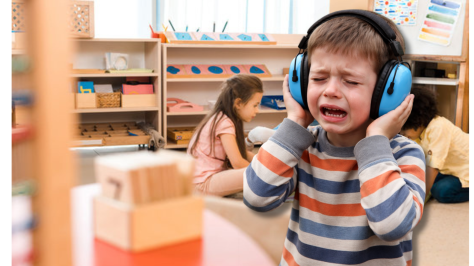
It’s what happens when a student—especially a nonverbal student—becomes so overwhelmed that their body goes into survival mode.
This can look like:
- hitting
- kicking
- biting
- throwing objects
- dropping to the floor
- screaming or crying
And for students who can’t communicate with words, behavior becomes their communication.
They’re not trying to be difficult.
They’re trying to cope.
The goal is not control—it’s safety and regulation
In these moments, your goal is not:
- to teach a lesson
- to correct behavior
- to “win” the situation
Your goal is:
👉 keep everyone safe
👉 help the student come back to regulation
That’s it.
Everything else can wait.
Stay calm (even if you’re not feeling calm)
This is easier said than done—but it’s everything.
When a student is escalating, your calm becomes the anchor.
Even if inside you’re thinking,
“okay this just escalated FAST…”
On the outside:
- lower your voice
- slow your movements
- keep your tone neutral
Because if you match their energy, it escalates.
If you regulate yourself, it helps them regulate too.
Reduce language (this is HUGE for nonverbal students)
When a student is in a meltdown, especially a nonverbal student, too many words make it worse.
Their brain is already overwhelmed.
So instead of:
- long explanations
- repeated directions
- talking over the situation
Try:
- short phrases
- calm tone
- minimal words
Examples:
- “You’re safe.”
- “I’m here.”
- “Hands down.”
Simple. Clear. Repetitive.
Create space and remove triggers
When possible, reduce what’s adding to the overload.
This might look like:
- moving other students away
- dimming lights
- lowering noise
- clearing objects that could be thrown
Sometimes it’s not about moving the student.
It’s about adjusting the environment around them.
Protect safely during aggressive behaviors
Let’s talk real life—because this matters.
If a student is:
- hitting
- kicking
- biting
You may need to:
- block safely
- use protective equipment (like arm guards or gloves)
- maintain distance when possible
This isn’t about punishment.
It’s about safety—for them and for you.
And if you’re a para, you already know…
👉 things can escalate quickly
So having a plan matters.
Don’t take it personally (even when it feels personal)
This one is hard.
Especially when you’re getting hit or screamed at.
But behavior during a meltdown is not about you.
It’s about:
- overwhelm
- lack of communication
- sensory overload
When you stop seeing it as “they’re doing this to me”
and start seeing it as “they’re struggling right now”…
It changes how you respond.
After the meltdown: this part matters too
When it’s over, the student is usually:
- exhausted
- calmer
- more receptive
This is NOT the time for:
- lectures
- punishment
- big conversations
Instead:
- keep it simple
- reconnect
- support regulation
For nonverbal students, this might look like:
- offering a preferred item
- giving space
- returning to routine slowly
The goal is to rebuild a sense of safety.
A real-life perspective (from the classroom)
If you’re in this environment every day, you know—
These moments are not rare.
They’re part of the job.
And they can be:
- physically exhausting
- emotionally draining
- unpredictable
There are days where you walk away thinking,
“Did I handle that right?”
And the truth is… you’re learning in real time.
No one handles every situation perfectly.
But showing up calm, consistent, and supportive?
That makes a bigger difference than you think.
FAQs About Autism Meltdowns in the Classroom
What causes autism meltdowns in the classroom?
Autism meltdowns are often caused by sensory overload, communication challenges, frustration, or changes in routine.
How do you calm a nonverbal autistic child during a meltdown?
Use minimal language, stay calm, reduce sensory input, and provide space. Focus on safety and helping the child regulate rather than correcting behavior.
What should you NOT do during a meltdown?
Avoid raising your voice, giving too many directions, or trying to reason in the moment. This can increase overwhelm and escalate the situation.
Final thoughts
If you’ve ever been in the middle of a meltdown, trying to stay calm while everything feels chaotic…
You’re not alone.
This part of working in special education is not easy.
But the way you show up in those moments—
calm, steady, and supportive—
That’s what helps students feel safe.
Even when they can’t say it.
This post contains affiliate links which may earn Classroom Chic a commission.



 Classroom Chíc